Porsche Mission S: Don’t Call It a Hypercar
Porsche’s next “super sports car” is here. This is the Porsche Mission S, and it just had its big debut. Well, technically it leaked the night before, but the automaker probably wants us to pretend that didn’t happen. So now that the Mission S has had its “official” debut, let’s dig into the details: why it’s not a “hypercar,” what kind of engine it will have, and whether it’s a successor to the 918 Spyder.

Porsche Mission S Design: The Not Too Distant Future
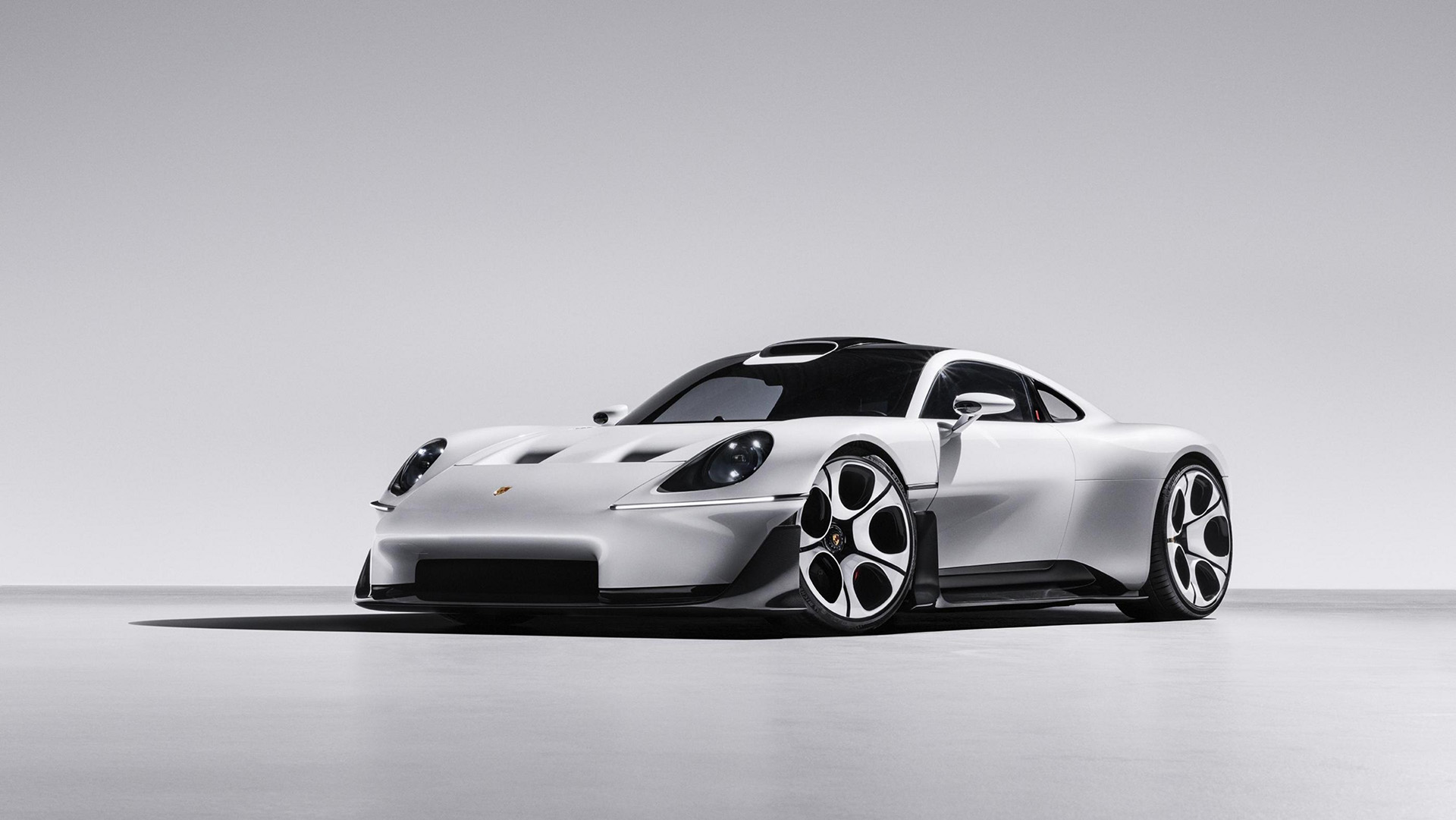
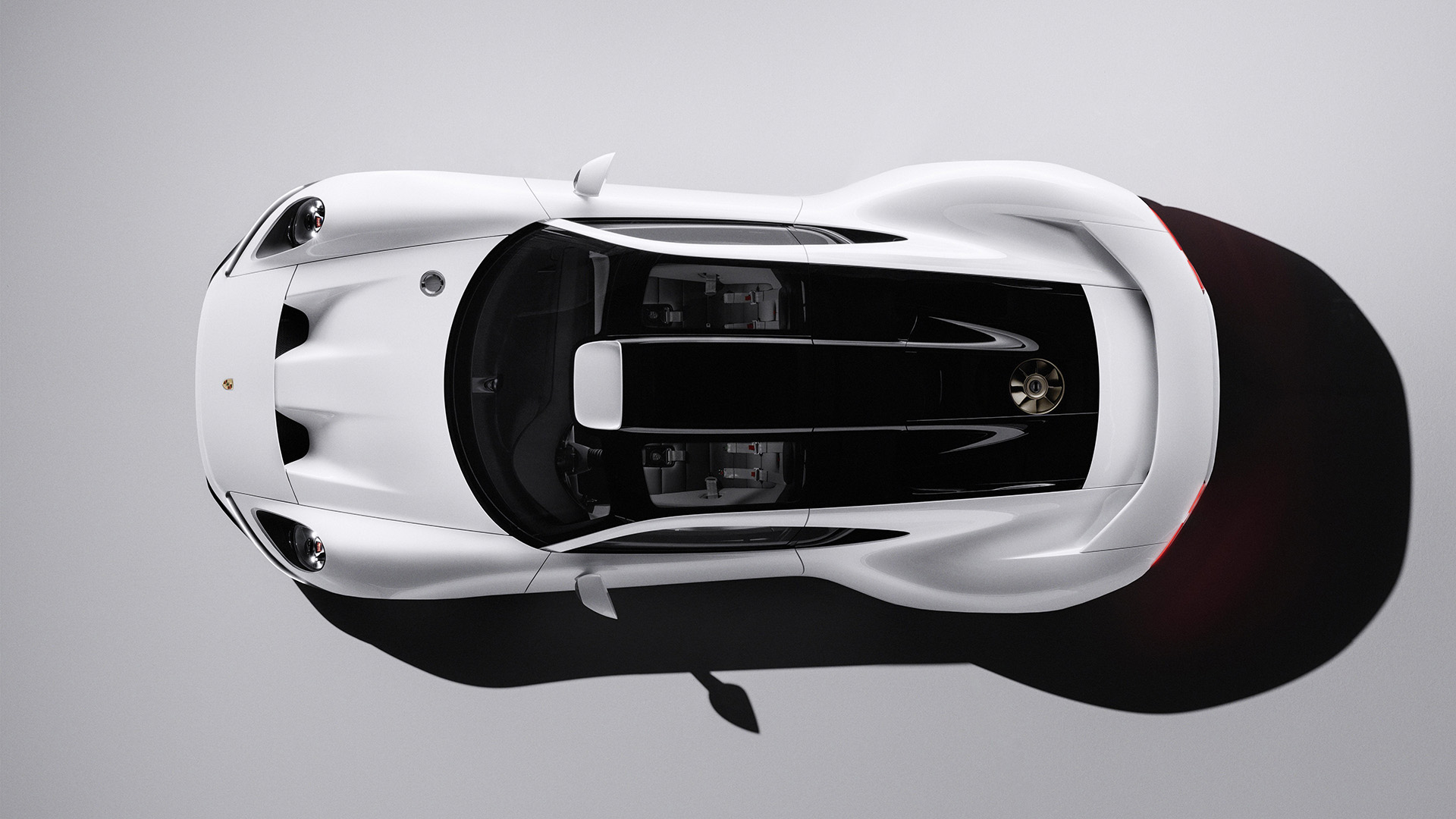
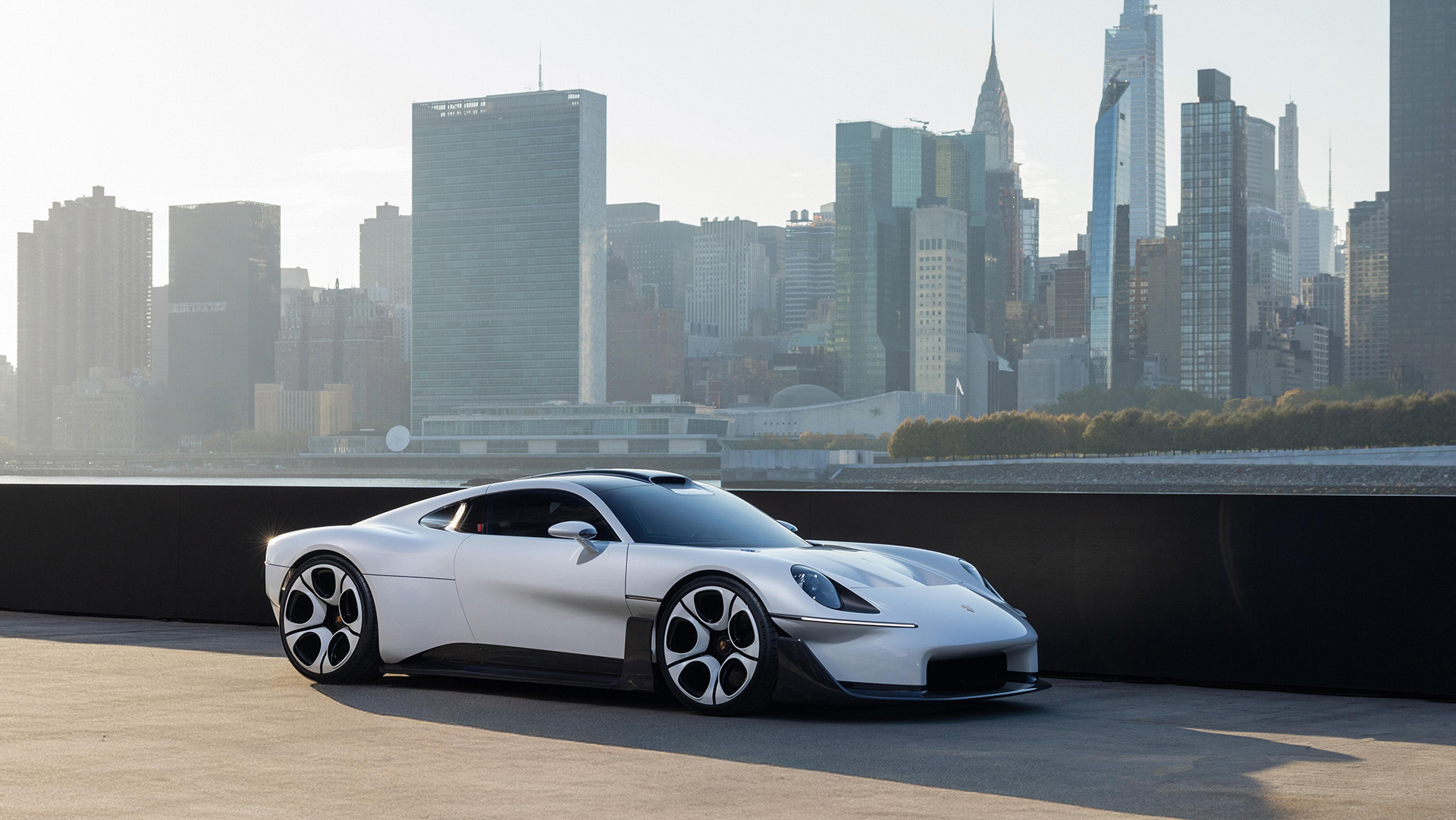
The Porsche Mission S looks like something beyond our time. The smooth lines, torpedo fenders, and roofline are all giving futuristic F-Zero hover race car. I mean that in the best way possible.
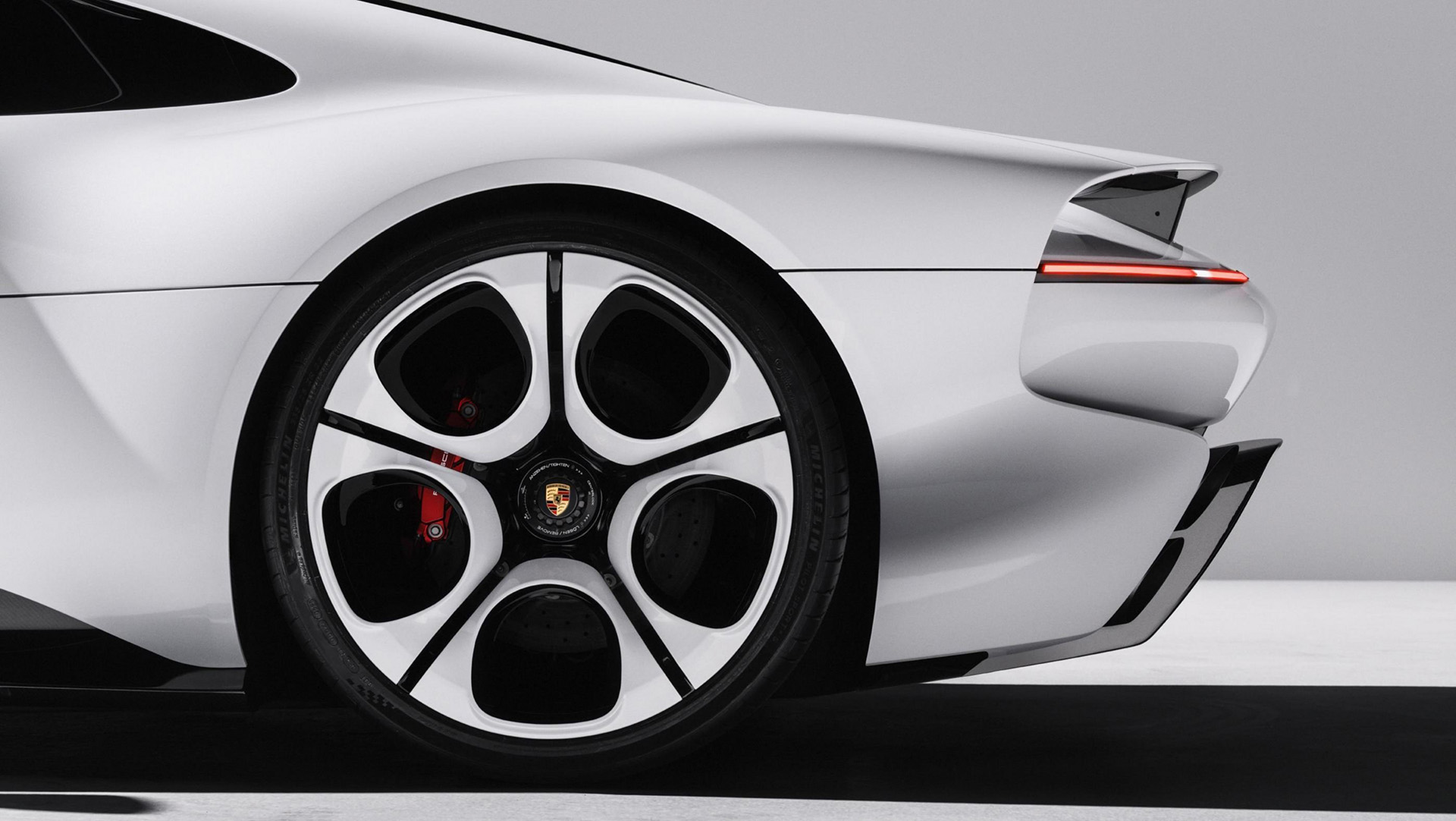
According to Porsche, the design inspiration for the Mission S comes from several historic models. The shut lines leading into the lights are inspired by the G model 911 (made from 1974 to 1989), the flat front nose and the rear “car in car” design are both taken from the 911 GT1, and the roofline dipping below the rear wing is a nod to the 959. The wheels callback to the classic “phone dial” style of the Porsche 928.

Naturally, the mid-engine layout heavily influences proportions of the Mission S, but it also leads to one of the coolest elements of the design: the flat-mounted radiator fan. The fan is a throwback to the Porsche 917 prototype race car, but also adds to the futuristic vibes of Porsche’s “super sports car.”

Porsche Mission S Interior Design: Use Your Own Damn Screen
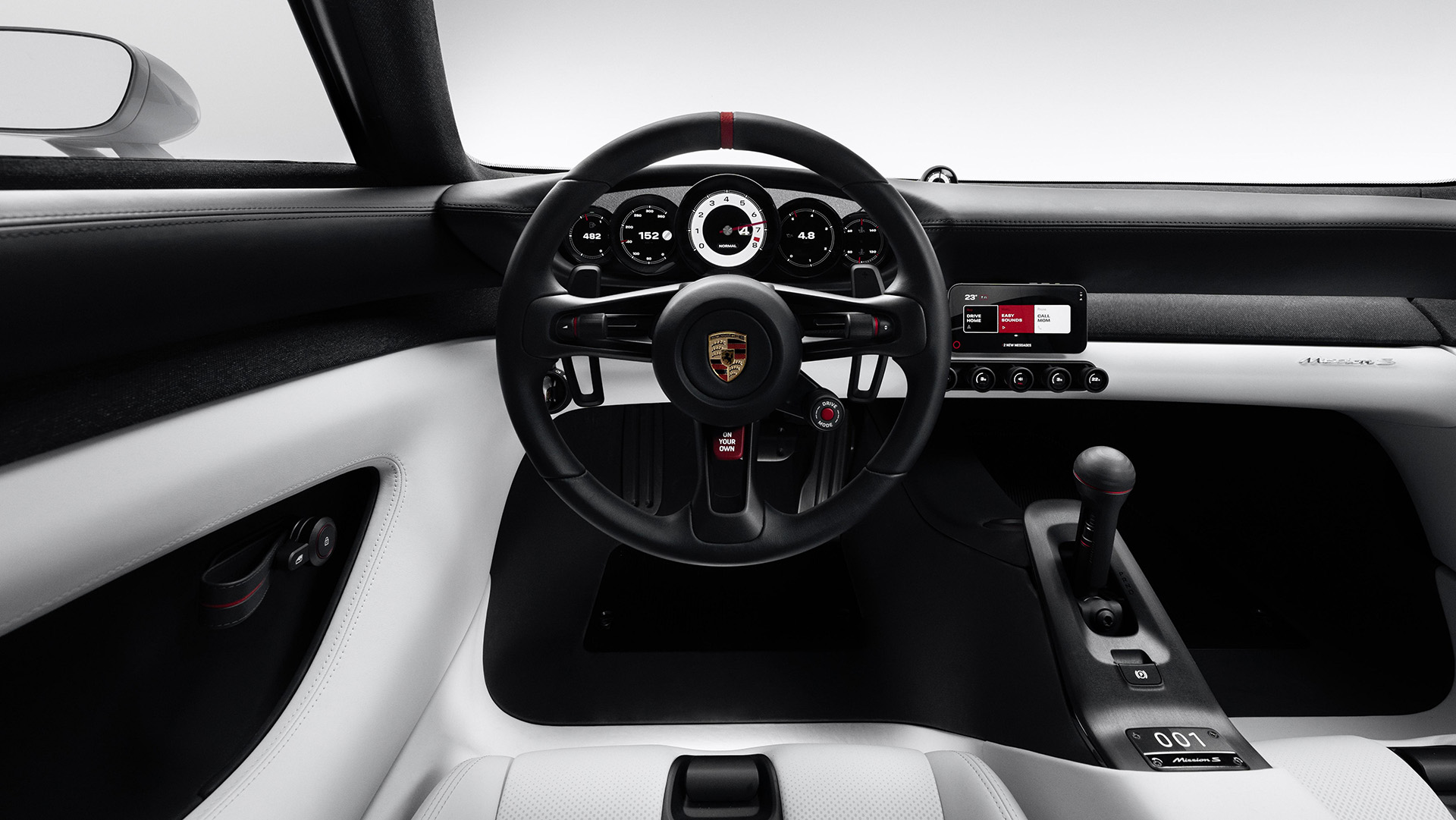
The theme of old school meets futurism continues inside the Mission S. The interior is minimalist but not in an extreme Dieter Rams/Jony Ive way. I hate to lean on the overused phrase, but the Mission S has a “driver-focused” interior.
In fact, it’s so focused that Porsche specifically elected to buck the trend of a large center-mounted infotainment touchscreen and passenger display. Instead, there is a retractable MagSafe mount so drivers can use their smartphones along with the Porsche App as the main display.
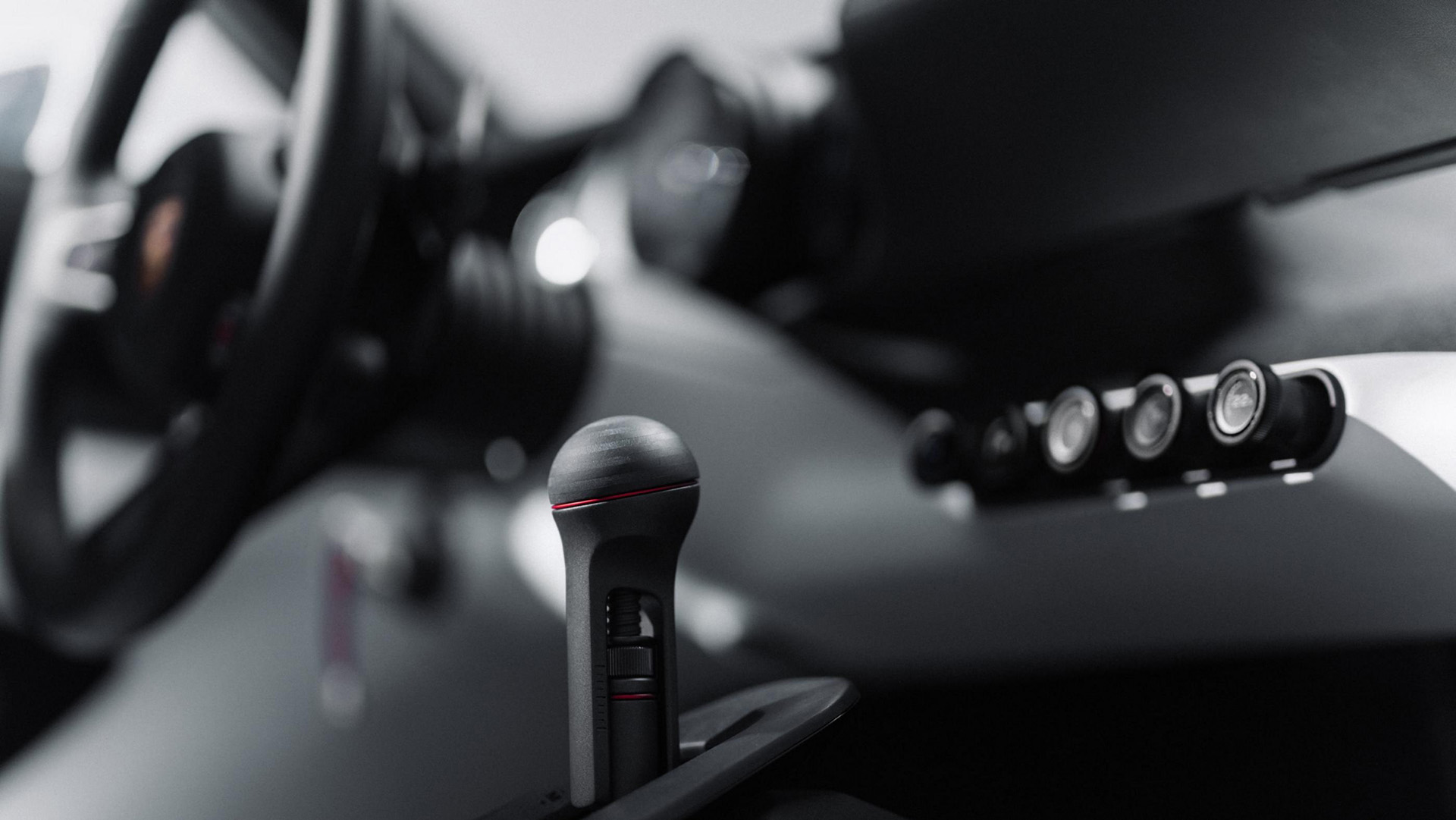
All other functions are controlled with glorious physical buttons. Porsche even brought back a physical key which, as tradition dictates, is inserted on the left side of the steering column.

Other critical information is relayed through a set of digital displays themed to look like analog gauges. Or, what we like to call “Digi-log”. The tachometer actually has a physical analog needle over a digital display. The gauges can move depending on driving modes; for instance, the tachometer moves closer to the driver while the other gauges slide in behind it to reduce distractions.
Porsche Mission S Powertrain: Mostly Combustion
For now, Porsche is keeping the Mission S powertrain a mystery. The only detail we know for sure is that the Mission S will not be a pure EV. It will be strictly combustion, have a hybrid system, or perhaps an option for either one. We have no details on horsepower or torque. Since this is technically a concept car, there are no 0 to 60 or ¼ mile times available either.

The quad exhausts suggest an engine beefier than a flat-six. Commenters online have speculated that a V8 could find its way into the back of the Mission S. Porsche might opt for a more potent version of the V8 powertrain currently found in the Panamera Turbo S E-Hybrid. Combined with its electric motor, that package makes 771 horsepower and gets the Panamera past 200 mph. The Mission S will likely be lighter than a Panamera Turbo S, so it would only need a modest bump in power to yield “Super Sports Car” levels of performance.
Is The Porsche Mission S a 918 Spyder Successor?
The other big question is if the Mission S is a successor to the Porsche 918 Spyder. The answer is somewhat complicated. While Porsche didn’t directly say whether the Mission S is meant to succeed the 918, it did say the Mission S will be its first permanently available super sports car.
We think that’s why Porsche is referring to the Mission S as a Super Sports Car rather than a Hypercar. Typically, flagship hypercars come and go; if the Mission S is permanently available, that suggests it isn’t a replacement for the 918, and whatever succeeds the 918 will slot above the Mission S in the model line.
What do you think about the Porsche Mission S? What kind of engine do you think it will have? How much horsepower? Will it be a hybrid? Feel free to share your predictions in the comments, but hopefully we won’t have to wait long for solid answers.
Porsche Mission S Gallery